What Does “Under Contract” Really Mean?
by c21 Metro Brokers

What Does “Under Contract” Really Mean?
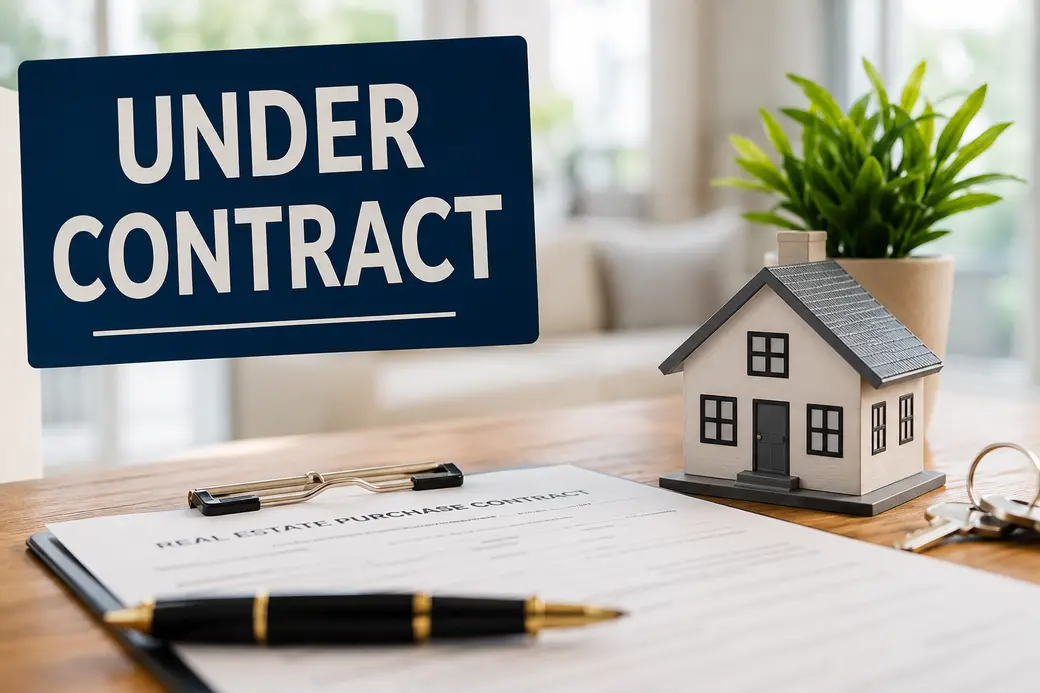
If you’ve been searching for a home online or driving through neighborhoods lately, chances are you’ve seen a property labeled “Under Contract.” For many buyers and sellers, this real estate term can be confusing. Does it mean the home is sold? Can another buyer still make an offer? Is everything finalized? The truth is, “Under Contract” simply means a seller has accepted an offer from a buyer, but the transaction is not fully complete just yet.
When a home goes under contract, both the buyer and seller have agreed to the major terms of the sale, including the purchase price, financing terms, closing timeline, and any contingencies included in the offer. Once both parties sign the purchase agreement, the home officially enters the contract phase of the transaction. At this point, the seller typically stops actively marketing the property, but there are still several important steps that need to happen before the sale officially closes.
One of the biggest reasons a home can remain under contract for several weeks is because there are multiple contingencies that still need to be satisfied. Contingencies are conditions that must be met before the transaction can move forward to closing. One of the most common contingencies is the home inspection. During this stage, the buyer hires a licensed home inspector to evaluate the condition of the property. The inspection helps identify any issues with the home, such as roofing problems, plumbing concerns, electrical issues, or structural repairs that may need attention.
After the inspection, buyers may request repairs, ask for credits, renegotiate certain terms, or decide whether they feel comfortable moving forward with the purchase. Sometimes these negotiations are simple, while other times they can take several days to resolve. This is one reason why a home can remain under contract even though the seller has already accepted an offer.
Financing is another major part of the contract process. Even if a buyer is pre-approved, the lender still needs to fully verify the buyer’s finances and approve the loan for the property itself. The lender will review income, employment, debts, bank statements, and credit history while also ordering an appraisal on the home. The appraisal determines whether the home’s value supports the agreed-upon purchase price. If the appraisal comes in lower than expected, buyers and sellers may need to renegotiate before the deal can continue.
Title work is also completed during the under contract period. A title company works to ensure there are no legal claims, liens, or ownership issues attached to the property. This protects both the buyer and lender and helps ensure the property can legally transfer ownership at closing.
Many people assume “Under Contract” means the home is completely off the market, but that is not always the case. In some situations, sellers may still accept backup offers in case the current contract falls through. Real estate transactions can fail for several reasons, including financing issues, inspection concerns, buyer cold feet, appraisal problems, or unexpected changes in circumstances. Because of this, backup offers can sometimes become valuable opportunities for interested buyers.
You may also hear other real estate terms that sound similar to under contract, such as “Pending.” While terminology can vary depending on the market or MLS system, “Pending” often means the transaction is further along and most contingencies have already been removed. “Under Contract” usually refers to an earlier stage where certain conditions still need to be completed before closing.
For sellers, going under contract is an exciting milestone because it means a buyer has committed to purchasing the home. However, the process is not finished until all paperwork is completed and the transaction officially closes. Sellers still need to maintain the property, complete agreed-upon repairs if necessary, and prepare for moving and closing day.
For buyers, being under contract is an important step toward homeownership, but it is also a time filled with deadlines, paperwork, inspections, and communication with lenders and agents. Staying organized and responsive during this phase helps keep the transaction moving smoothly.
The under contract stage is often where the behind-the-scenes work of a real estate transaction truly happens. While it may seem like the home is “sold,” there are still several moving pieces that must come together before the keys officially change hands. Understanding what under contract really means can help both buyers and sellers feel more confident and prepared throughout the home buying and selling process.
Categories
Recent Posts