The Top Mistakes Home Sellers Can Avoid
The Top Mistakes Home Sellers Can Avoid
Selling your home is one of the biggest financial decisions you'll ever make, and naturally, you want to get the best possible price in the shortest amount of time. While every real estate market is different, one thing remains the same—avoiding a few common mistakes can make all the difference between a smooth, successful sale and a home that lingers on the market.
Whether you're selling your first home or your fifth, taking the time to prepare can save you money, reduce stress, and help you attract serious buyers. Here are some of the most common mistakes sellers make—and how you can avoid them.
1. Pricing Your Home Too High
It's tempting to aim high and "see what happens," but overpricing is one of the biggest mistakes a seller can make. Buyers have access to countless listings and can easily compare homes online. If your home is priced well above similar properties, many buyers won't even schedule a showing.
A home that sits on the market too long can become stale, leading buyers to wonder if something is wrong with it. In many cases, an overpriced home eventually sells for less than it would have if it had been priced correctly from the beginning.
A knowledgeable real estate agent will use current market data, comparable sales, neighborhood trends, and your home's unique features to determine a competitive price that attracts buyers while maximizing your return.
2. Skipping the Little Repairs
You may have grown accustomed to that dripping faucet, squeaky door, or chipped paint, but buyers notice everything. Small maintenance issues can give the impression that larger problems have been overlooked as well.
Before listing your home, walk through each room with fresh eyes. Consider repairing:
- Loose door handles
- Leaky faucets
- Cracked caulking
- Burned-out light bulbs
- Scuffed walls
- Broken screens
- Sticky doors or windows
These inexpensive improvements can make your home feel well cared for and move-in ready.
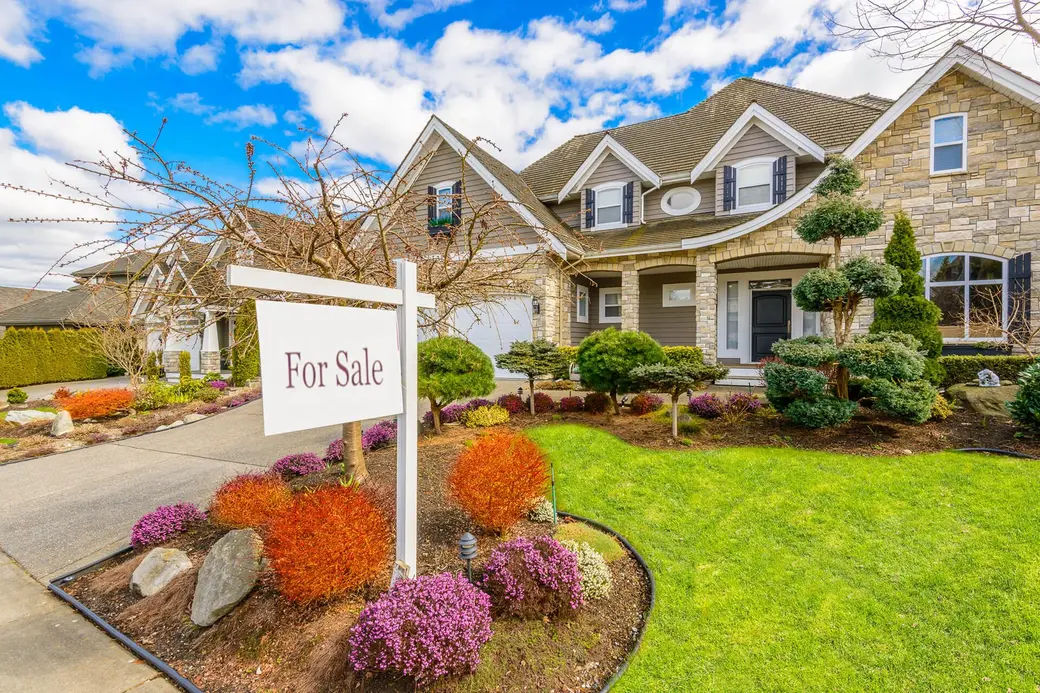
3. Forgetting About Curb Appeal
First impressions begin before buyers even step inside. The exterior of your home sets the tone for the entire showing.
Simple improvements can have a huge impact, including:
- Fresh mulch
- Trimmed bushes
- Mowed lawn
- Colorful flowers
- Power-washed sidewalks and siding
- A freshly painted front door
- Clean windows
A welcoming exterior encourages buyers to look forward to seeing the rest of your home.
4. Not Decluttering and Depersonalizing
Your home tells your family's story—but buyers need to imagine their own story unfolding there.
Packing away personal photographs, collectibles, excess furniture, and unnecessary decorations helps rooms appear larger, brighter, and more inviting. Organized closets, tidy countertops, and neatly arranged spaces also give buyers confidence that the home has been well maintained.
Think of decluttering as getting a head start on packing for your move.
5. Using Poor Listing Photos
Today's buyers almost always begin their home search online. Your listing photos are your home's first showing, and they can determine whether someone schedules an in-person visit or scrolls to the next listing.
Professional photography, proper lighting, and thoughtfully staged rooms showcase your home's best features. High-quality images help your property stand out and create more interest from qualified buyers.
6. Limiting Showings
While it's understandable to want to keep your daily routine intact, making your home difficult to show can reduce the number of potential buyers who see it.
The more flexible you can be with showings, the more opportunities you'll have to receive offers. Keeping your home clean and ready for short-notice appointments can feel inconvenient, but it's often worth the effort.
7. Letting Emotions Get in the Way
Your home holds years of memories, making it easy to feel emotionally attached. Buyers, however, are evaluating the property based on their own needs and budget.
Receiving feedback or negotiating offers isn't personal—it's simply part of the process. Keeping an open mind and focusing on your end goal will help you make confident decisions.
8. Hiding Problems
Trying to cover up known issues rarely ends well. Most buyers will have a professional home inspection, and undisclosed problems often lead to delayed closings or failed transactions.
Being upfront about known concerns allows everyone to move forward with realistic expectations and helps build trust throughout the transaction.
9. Trying to Do Everything Alone
Selling a home involves much more than putting a sign in the yard. Pricing strategy, marketing, negotiations, inspections, appraisals, paperwork, timelines, and closing coordination all require experience and attention to detail.
Working with a trusted real estate professional means having someone who can answer questions, solve problems, market your home effectively, and guide you from listing day to closing day.
The Bottom Line
Selling your home doesn't have to be overwhelming. By pricing your home correctly, preparing it for buyers, investing in presentation, and working with an experienced real estate professional, you'll greatly improve your chances of selling quickly and for the best possible price.
Every successful sale starts with a solid plan. If you're thinking about selling this year, now is the perfect time to begin preparing your home. A little effort before you list can make a big difference when it's time to hand over the keys and start your next chapter.
Categories
Recent Posts