How Often Should You Really Replace Your Roof, Furnace, or Water Heater?
How Often Should You Really Replace Your Roof, Furnace, or Water Heater?
Whether you're planning to sell your home, recently purchased one, or simply want to stay ahead of costly repairs, knowing the typical lifespan of your home's major systems can save you time, money, and stress. While regular maintenance can extend the life of many components, nothing lasts forever. Understanding when to expect replacements helps you budget wisely and keeps your home in great shape.
Roof
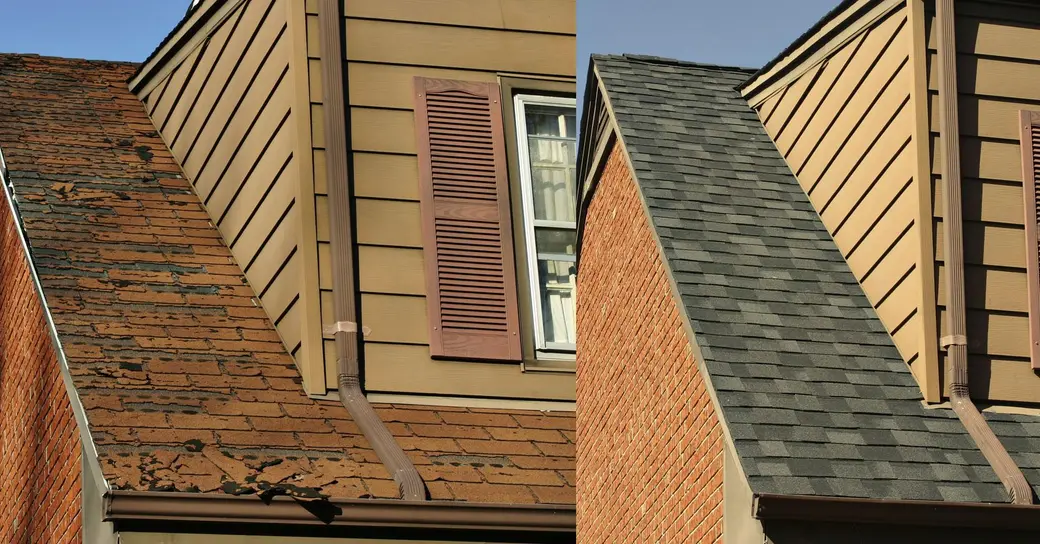
Your roof is one of your home's most important investments, protecting everything underneath it from the elements. Most asphalt shingle roofs last between 20 and 30 years, although factors such as severe weather, ventilation, and installation quality can affect longevity. If your roof has missing shingles, leaks, sagging areas, or excessive granules collecting in the gutters, it may be time for a professional inspection.
Furnace
A well-maintained furnace typically lasts 15 to 20 years. Annual servicing, regular filter changes, and keeping vents clear can help maximize its lifespan. If your furnace is making unusual noises, heating unevenly, requiring frequent repairs, or causing your energy bills to climb, it may be more cost-effective to replace it rather than continue repairing an aging system.
Water Heater
Traditional tank water heaters generally last 8 to 12 years, while tankless models often last 15 to 20 years with proper maintenance. Signs that your water heater may be nearing the end of its life include rusty water, inconsistent hot water, strange rumbling noises, or small leaks around the base.
Air Conditioner
If your home has central air conditioning, you can typically expect it to last 15 to 20 years. Routine maintenance, including annual inspections and cleaning, helps improve efficiency and extend its life. Reduced cooling performance or frequent service calls may indicate it's time to consider an upgrade.
Windows
Quality windows can last 20 to 40 years, depending on the material and how well they've been maintained. Drafts, condensation between panes, difficulty opening or closing, and rising energy bills are all signs that replacement may improve comfort and efficiency.
Why This Matters When Selling Your Home
If you're thinking about selling, buyers often ask about the age of major systems during showings and inspections. A newer roof, furnace, or water heater can give buyers peace of mind and may make your home more attractive compared to similar properties. Even if your systems aren't brand new, keeping maintenance records and servicing them regularly demonstrates that your home has been well cared for.
The Bottom Line
Every home will eventually need updates, but replacing major systems doesn't have to come as a surprise. By knowing the expected lifespan of your home's biggest components and scheduling regular maintenance, you can plan ahead instead of reacting to unexpected breakdowns. Whether you're staying put for years to come or preparing to list your home, investing in your home's health today can pay off in comfort, value, and peace of mind tomorrow.
Categories
Recent Posts