Winter Road Safety: Smart Driving Tips to Keep You Protected All Season Long
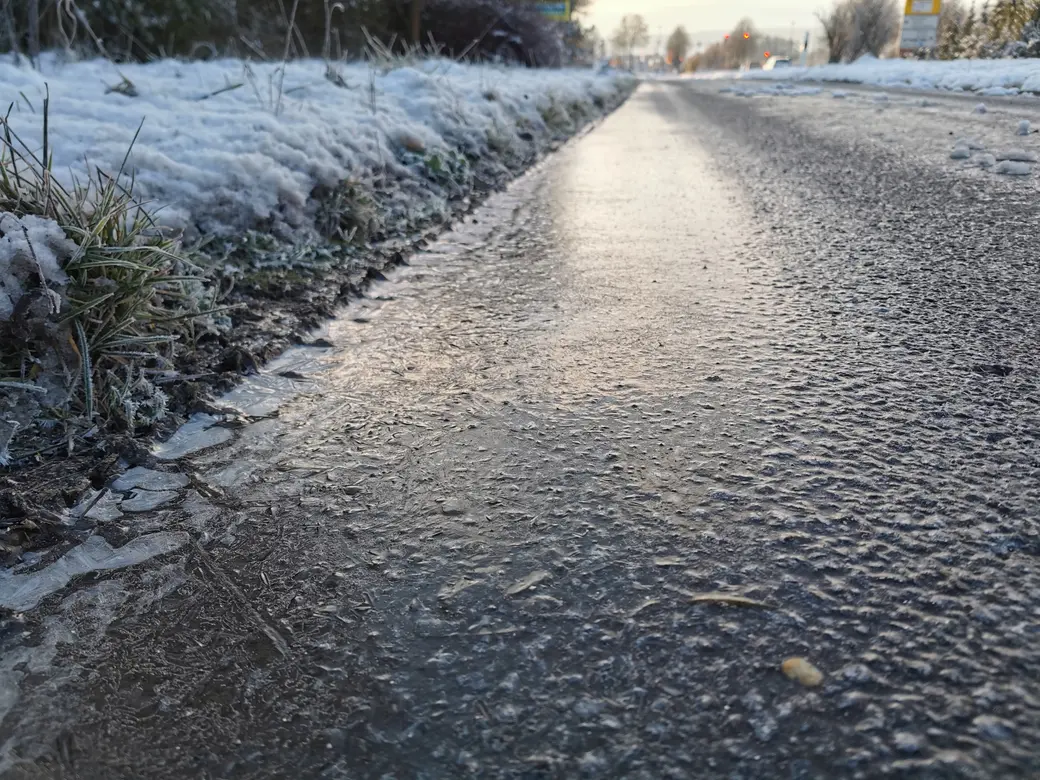
Winter roads have a way of challenging even the most experienced drivers. What looks like a clear stretch of pavement can quickly turn into a slick surface hiding black ice, slush, or refrozen snow. Staying safe begins with adjusting your mindset as soon as temperatures drop. Winter driving is not about getting there fast—it’s about getting there safely. Slowing down, increasing following distance, and avoiding aggressive maneuvers give your tires the best chance to maintain traction. Gentle acceleration, steady steering, and gradual braking help prevent skids and keep you in control when conditions are unpredictable.
Preparation before you ever leave the driveway is just as important as how you handle the wheel. A winter-ready vehicle can significantly reduce risk on icy roads. Proper tire tread and inflation improve grip, while functioning headlights and brake lights ensure you’re visible in poor weather. Keeping your gas tank at least half full helps prevent fuel line freezing and gives you peace of mind if traffic slows or roads close unexpectedly. An emergency kit—complete with blankets, gloves, a flashlight, jumper cables, water, and snacks—can make a stressful situation far more manageable if you’re delayed or stranded.
Visibility plays a major role in winter safety and is often underestimated. Snowfall, freezing rain, and overcast skies reduce contrast and depth perception, making it harder to judge distance and speed. Clearing all snow and ice from your windshield, mirrors, lights, and even the roof of your vehicle is essential. Snow left on the roof can slide forward onto your windshield when braking or blow onto cars behind you, creating dangerous conditions for everyone. Using headlights during snowstorms or low-light conditions—even during daylight hours—helps other drivers see you sooner and react more safely.
Road conditions can also change quickly, especially during early morning or evening hours when temperatures fluctuate around freezing. Bridges, overpasses, and shaded areas tend to freeze first and stay icy longer than surrounding pavement. Staying alert in these areas and reducing speed even further can help avoid sudden loss of control. If your vehicle does begin to slide, staying calm is key—ease off the pedals and steer gently in the direction you want the car to go rather than overcorrecting.
Perhaps the most important winter driving safety tip is knowing when not to drive at all. If weather conditions worsen, roads are untreated, or visibility drops significantly, delaying travel is often the safest decision. No meeting, errand, or deadline is worth risking your safety. Winter driving demands patience, preparation, and respect for the road. By planning ahead and driving defensively, you protect yourself, your passengers, and everyone else sharing the road during the most challenging months of the year.
Categories
Recent Posts