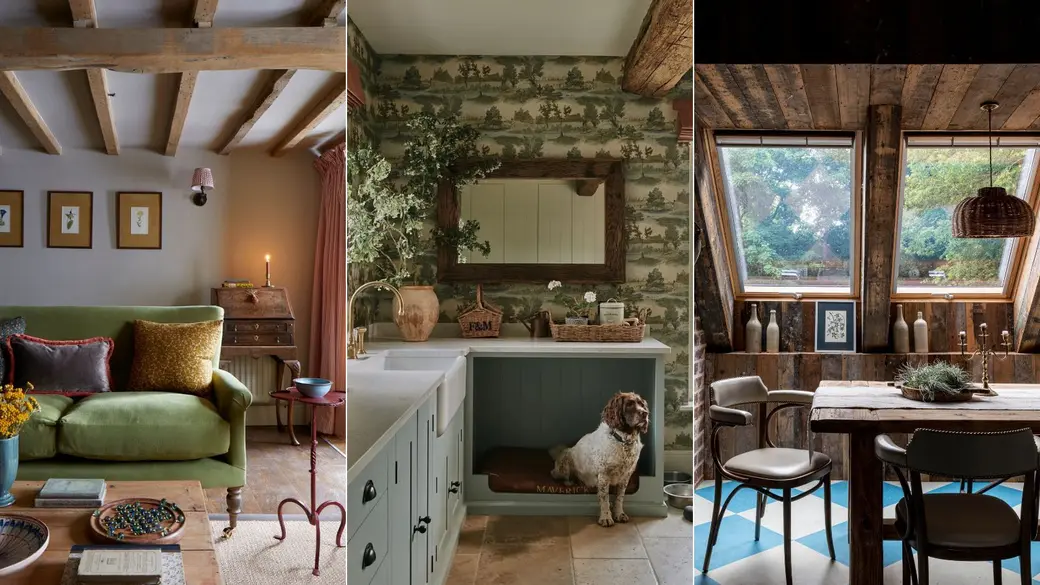
The First Showing Isn’t About the House—It’s About the Feeling
Most buyers walk into their first showing believing they’re there to evaluate the house itself. They come armed with checklists, mental notes, and comparisons pulled from online listings. How many bedrooms? Is the kitchen updated? Will the furniture fit? While those questions matter, they rarely determine whether a buyer truly wants the home. The first showing is less about the structure and far more about the emotional response that happens almost instantly.
That response is subtle but powerful. Within moments of stepping inside, buyers begin forming an opinion—often before they’ve consciously realized it. They notice how the space feels, how light moves through the rooms, how the layout flows from one area to the next. Many buyers later describe this as “I could see myself living here,” which is really another way of saying the home allowed their life to mentally move in. This emotional connection is what separates a house that’s merely “nice” from one that feels like a possibility.
During a first showing, buyers aren’t just evaluating walls and windows; they’re imagining routines. Where would mornings begin? Where would people gather? Is there a sense of calm, comfort, or excitement? Even small things—like ceiling height, natural light, or the openness of a main living area—can influence how a home feels, even if buyers can’t immediately explain why. This is also why two homes with similar specs can produce completely different reactions.
Interestingly, this is where logic often catches up after emotion. Buyers might fall in love with a home that needs cosmetic updates while walking away from one that checks every box on paper. That’s because flaws feel manageable when the emotional foundation is strong. On the other hand, when that feeling is missing, buyers tend to magnify imperfections as a way to justify walking away. The first showing sets the tone—logic supports the decision, but emotion usually leads it.
This understanding can be incredibly freeing for buyers. Instead of feeling pressure to analyze everything immediately, the first showing becomes an opportunity to simply experience the home. A more productive question during that visit isn’t “What’s wrong with it?” but “How does this place make me feel?” If there’s a spark, deeper evaluation can come later. If there isn’t, it’s often a sign to keep looking—no matter how good the listing photos were.
For sellers, this emotional reality is exactly why first impressions matter so much. Preparing a home for showings isn’t about staging perfection; it’s about removing distractions so buyers can emotionally connect. Clean spaces, open blinds, neutral tones, and a welcoming atmosphere allow buyers to focus on possibility rather than maintenance or clutter. The easier it is for buyers to imagine themselves there, the stronger that first emotional response becomes.
In a market where buyers can research every detail online before ever stepping inside, the in-person showing carries a different role. It’s no longer about learning facts—it’s about confirmation. The homes that stand out aren’t always the newest or the most updated; they’re the ones that feel right. When that feeling is present, confidence follows. And in real estate, confidence is often the difference between hesitation and an offer.
The first showing isn’t about convincing buyers that a house works on paper. It’s about giving them space to feel whether it works for their life. When that connection happens, the rest of the process becomes less stressful, more intentional, and ultimately more successful for everyone involved.