Renting Feels Safe—Until It Doesn’t
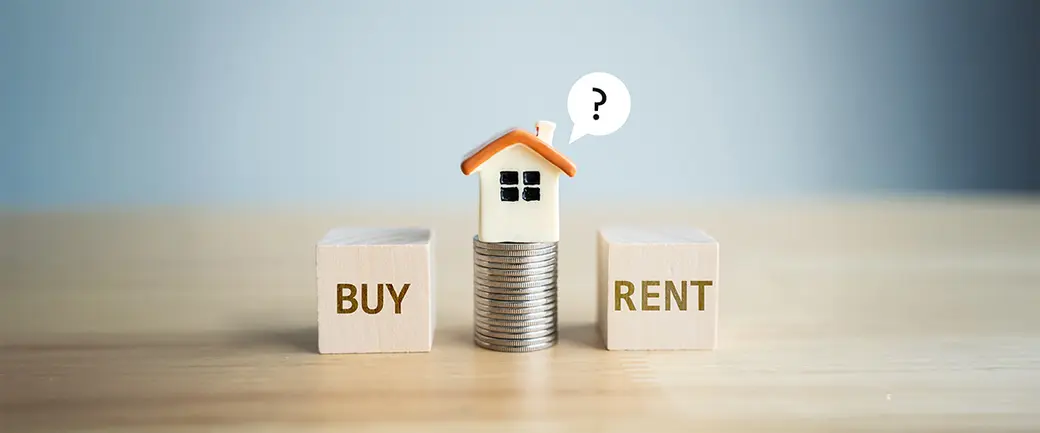
Renting Feels Safe—Until It Doesn’t
There’s a reason renting feels comfortable. It’s simple. You sign a lease, you know what you owe this month, and when something breaks, it’s usually someone else’s responsibility. No long-term commitment. No big upfront investment. No pressure to “be ready.”
For many people across Michigan—whether you’re in Grand Blanc, Davison, Flint, or anywhere nearby—that simplicity feels like security.
At first, it truly can be.
But renting only feels safe when everything stays predictable. And housing rarely stays predictable for long.
The shift often starts quietly. A renewal notice arrives with a higher monthly rent. Maybe it’s a modest bump. Maybe it’s more significant. Either way, it’s a reminder that you don’t control the number. Market demand changes. Property taxes rise. Insurance costs increase. The rental market adjusts—and you adjust with it.
You didn’t remodel the place. You didn’t gain square footage. You didn’t change neighborhoods.
Yet your cost went up anyway.
Over time, that pattern adds up. Year after year, renters often pay more without gaining ownership. Every payment covers housing for that month—but it doesn’t build equity. It doesn’t create an asset. It doesn’t give you leverage for the future. It simply keeps the door open for another 30 days.
Meanwhile, life keeps moving. Careers grow. Families expand. Priorities shift. And the longer someone rents, the more common one feeling becomes: limitation.
You hesitate to make changes to the space. You avoid investing in upgrades. You might love the neighborhood, but it never fully feels like yours. There’s a subtle difference between living somewhere and planting roots somewhere.
And then there’s the factor no one likes to think about—control.
If the owner decides to sell, move family in, or repurpose the property, your timeline can change overnight. Even if you’ve paid on time for years. Even if you planned to stay long-term. Stability that felt permanent suddenly becomes temporary.
That’s when many renters start asking deeper questions.
Not “Can I afford to buy?”
But “What am I actually building?”
Homeownership isn’t just about a payment—it’s about participation. When you own, you’re not just covering a monthly expense. You’re holding an asset. You’re benefiting from appreciation over time. You’re able to personalize, renovate, and improve without asking permission. And those improvements add value to something you own.
Many families assume they aren’t ready. They tell themselves homeownership requires perfect timing, flawless credit, or a massive down payment saved up first. It becomes something for “someday”—after the next promotion, after the next tax return, after life feels more settled. But when they finally step back and look at their long-term plans—staying in the area, building careers, raising kids, putting down roots—they often realize something surprising. Renting wasn’t protecting them at all. It was simply postponing progress.
And postponement has a cost.
Not just financially, but emotionally. It’s hard to fully settle in when you know the arrangement is temporary. It’s hard to think long-term when your housing situation depends on someone else’s decisions.
Now, renting absolutely has its place. If you need flexibility, are relocating soon, or are in a short transition season, it can be the right move. It provides mobility and lower upfront commitment.
But renting long-term simply because it feels safer? That’s where many people get stuck.
Safety isn’t just avoiding responsibility.
It’s having control.
It’s building something that grows with you.
It’s knowing your housing decision aligns with your future—not just your present comfort.
If you’re planning to stay in your community for several years, it may be worth asking yourself a bigger question: are you protecting yourself, or are you protecting your landlord’s investment?
Sometimes the scariest step—exploring ownership—is the one that leads to the most stability.
Renting feels safe… until you realize you’re not moving forward.
Ownership may feel like a leap—but for many, it’s the moment they finally start building something that’s truly theirs.
Categories
Recent Posts