Why We “Spring Forward”: The Story Behind Daylight Saving Time
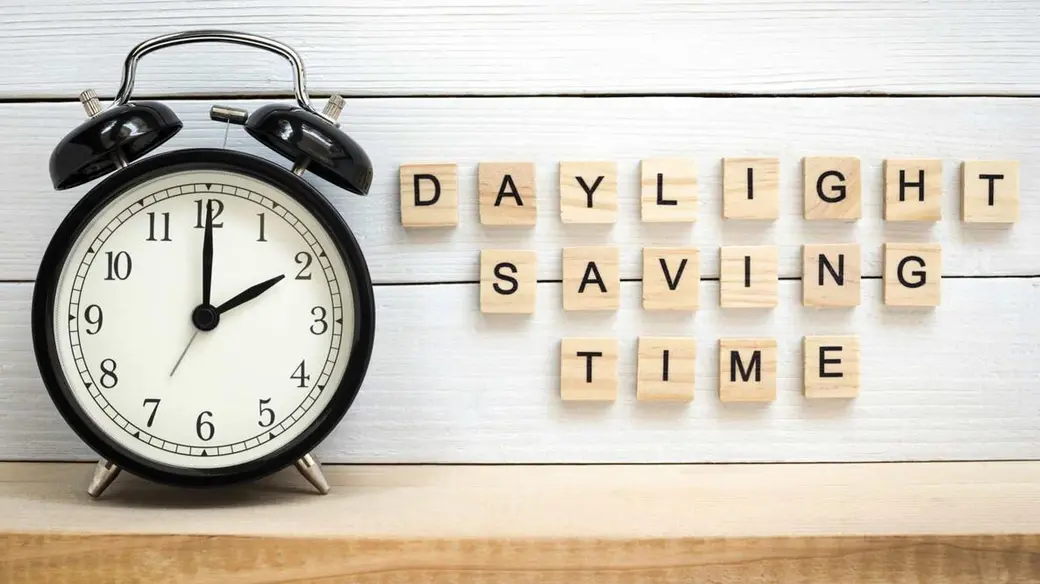
Why We “Spring Forward”: The Story Behind Daylight Saving Time
Every March, millions of Americans groggily reset their clocks, lose an hour of sleep, and ask the same question: why are we still doing this? Daylight Saving Time has a surprisingly interesting history rooted in war, energy conservation, and society’s ongoing effort to make better use of the daylight hours. While it may feel like a minor inconvenience when that alarm clock rings an hour earlier, the time shift actually reflects more than a century of attempts to align our daily lives with natural light — something that still influences everything from evening activities to the rhythm of the housing market.
The concept of adjusting clocks to make better use of daylight dates back more than 200 years. Benjamin Franklin is often credited with the earliest mention of the idea in 1784 when he jokingly suggested that Parisians could save candles if they simply woke up earlier. The modern version of the idea appeared much later in 1895 when George Vernon Hudson, a New Zealand entomologist, proposed shifting clocks forward so he would have more daylight in the evening to collect insects. While his motivation might have been unusual, the core idea stuck: move the clock forward during the warmer months so people can take advantage of longer evenings and rely less on artificial lighting.
Daylight Saving Time first became reality during World War I. Germany adopted the system in 1916 as a way to conserve fuel during the war, and the United States followed in 1918 with the same goal in mind — reducing energy use by extending daylight hours in the evening. Once the war ended, however, the policy quickly became unpopular. Rural communities, especially farmers, found the schedule disruptive since agricultural work follows the sun rather than the clock. As a result, many areas abandoned the time change altogether.
The idea resurfaced again during World War II when the United States reinstated daylight saving time year-round under the name “War Time.” Once again, the goal was to conserve electricity and support wartime production. After the war ended, however, the country entered a confusing period where states and even individual cities set their own rules. Some communities changed clocks while neighboring towns did not, creating a patchwork of time zones that made travel, broadcasting, and business scheduling incredibly complicated.
To restore order, Congress passed the Uniform Time Act in 1966. This law standardized when clocks would change each year while still allowing states to opt out if they preferred to stay on standard time. That is why places like Arizona and Hawaii do not observe daylight saving time today. The Uniform Time Act created the structured schedule we still follow — springing forward in March and falling back in November.
Originally, daylight saving time was intended to reduce energy consumption, but today the reasoning behind it is broader. One of the biggest arguments in its favor is economic activity. Longer daylight evenings encourage people to spend more time outside the home — shopping, dining out, traveling, or enjoying outdoor recreation. In many ways, the extended daylight hours kick off the seasonal momentum that businesses rely on during the spring and summer months.
In the real estate world, this shift in daylight often signals the unofficial start of the busy season. Longer evenings make it easier for buyers to attend showings after work, walk neighborhoods, and explore properties in natural light. Listings also tend to photograph better with brighter evenings and greener landscapes just around the corner. It’s not uncommon to see increased listing activity shortly after the clocks change, as sellers prepare to take advantage of the spring market’s surge in buyer interest.
Despite these benefits, daylight saving time remains controversial. Critics point to sleep disruption, potential health impacts, and the fact that modern energy savings appear to be smaller than originally expected. The abrupt time shift can temporarily affect productivity and routines, which is why lawmakers occasionally debate whether to eliminate the clock changes entirely and adopt permanent daylight saving time.
The reason we “spring forward” specifically in March is to align the extra daylight with the months when people are most active outdoors. As temperatures warm and evenings grow longer, communities naturally shift toward more outdoor activity. The familiar phrase “spring forward, fall back” simply serves as a reminder of the annual rhythm.
Ultimately, daylight saving time is a reflection of society trying to balance productivity, energy use, and lifestyle preferences. What began as a wartime strategy evolved into a seasonal marker that signals the arrival of spring — longer evenings, warmer weather, and the start of a busier pace of life. Whether the practice eventually becomes permanent or disappears altogether, it remains a reminder that even something as constant as time can be adjusted to fit the way we live.
And for anyone in real estate, that lost hour of sleep each March often comes with a silver lining — it means brighter evenings, more showings, and the beginning of the spring market momentum that helps buyers and sellers make their next move.
Categories
Recent Posts